03/08/2021 – Más allá de cada partida, la excelencia en la práctica del ajedrez, sea al nivel que sea, requiere también de un esfuerzo y dedicación que puede llegar a absorber o desviar las otras facetas de la vida del ajedrecista. Se ha dicho no sin exagerar demasiado que el ajedrez no es un juego, sino una enfermedad.Podemos despreocuparnos, hasta cierto punto, de cómo sobrelleva el adulto esta enfermedad, esta adicción. En cambio, no podemos pasarla por alto cuando se trata de niños. Les llevamos al ajedrez porque sabemos que va a acelerar su desarrollo cognitivo, primero empujándoles a superar el Rubicón egocentrista de los siete años, después desarrollando su capacidad de cálculo, de manejo mental de símbolos y operaciones, que tanto les va a ayudar en las clases de matemáticas o en la descodificación fluida del nuevo código lingüístico escrito que están aprendiendo. Deberíamos impedir que el ajedrez fuera para algunos de ellos causa de sufrimiento. Ganar o morir no debe ser una lección para niños. El artículo por Felipe Martín en MetaJaque.info Foto: Sebastian Siebrecht "Faszination Schach"
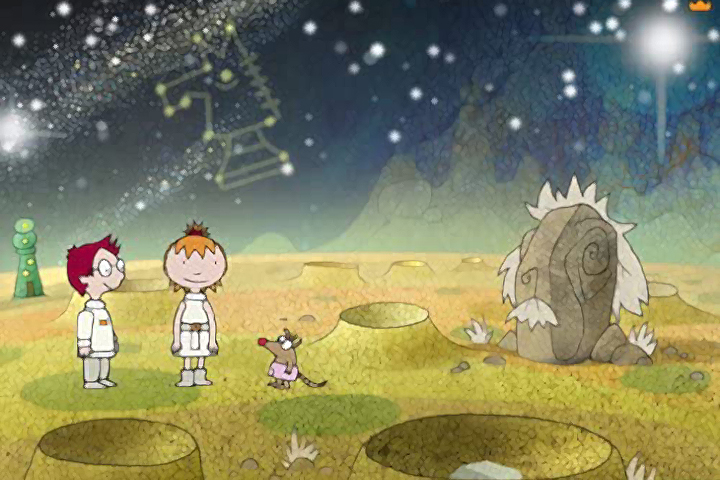
07/01/2021 – Hace unas semanas Felipe Martín publicó un artículo en su blog "MetaJaque", a propósito de la provocadora cita de Unamuno “el ajedrez desarrolla la inteligencia, sí, pero sólo para jugar al ajedrez”. Y hace poco, en sentido contrario, un artículo del filósofo y pedagogo Nicola Lococo interpretando el diálogo entre los dos jugadores de una partida de ajedrez como un ejercicio de mayéutica socrática: es decir, como un paradigma de praxis intelectual entre dos personas que colaboran en la búsqueda del conocimiento cuestionándose el uno al otro. ¿Pueden conciliarse puntos de vista tan opuestos? Veamos. | Imagen: El Pequeño Fritz 4 (de la versión alemana)
YOUR PERSONAL CHESS COACH - Whether you’re taking your first steps into the world of club chess, or already playing at a tournament level: with FRITZ, you can train more efficiently, intelligently and with a more personalised approach than ever before.
YOUR PERSONAL CHESS COACH - Whether you’re taking your first steps into the world of club chess, or already playing at a tournament level: with FRITZ, you can train more efficiently, intelligently and with a more personalised approach than ever before.
How grandmasters win without fireworks: GM Jan Markos shows you 11 very practical tips from "How to play in a lost position" to "Be patient like Carlsen" that will improve your tournament chess.
The Nimzo-Indian has stood the test of time for over a century: Still a top choice for elite players today, from Magnus Carlsen to Praggnanandhaa, it remains one of Black's most reliable ways to fight for real chances against 1.d4 2.c4 3.Nc3.
1.c4 e5 2.Nc3 Bb4!? is an opening idea well worth considering. Black immediately threatens to double the pawns on c3 in the style of the Trompowski or Sicilian Grand Prix attack.
Italian Game Powerbase 2026 is a database and contains 8571 top class games from Mega 2026 and the Correspondence Database 2026, of which 479 are annotated.
YOUR PERSONAL CHESS COACH - Whether you’re taking your first steps into the world of club chess, or already playing at a tournament level: with FRITZ, you can train more efficiently, intelligently and with a more personalised approach than ever before.
How grandmasters win without fireworks: GM Jan Markos shows you 11 very practical tips from "How to play in a lost position" to "Be patient like Carlsen" that will improve your tournament chess.
The Nimzo-Indian has stood the test of time for over a century: Still a top choice for elite players today, from Magnus Carlsen to Praggnanandhaa, it remains one of Black's most reliable ways to fight for real chances against 1.d4 2.c4 3.Nc3.
1.c4 e5 2.Nc3 Bb4!? is an opening idea well worth considering. Black immediately threatens to double the pawns on c3 in the style of the Trompowski or Sicilian Grand Prix attack.
Italian Game Powerbase 2026 is a database and contains 8571 top class games from Mega 2026 and the Correspondence Database 2026, of which 479 are annotated.
9,90 €
We use cookies and comparable technologies to provide certain functions, to improve the user experience and to offer interest-oriented content. Depending on their intended use, analysis cookies and marketing cookies may be used in addition to technically required cookies. Here you can make detailed settings or revoke your consent (if necessary partially) with effect for the future. Further information can be found in our data protection declaration.
Pop-up for detailed settings
We use cookies and comparable technologies to provide certain functions, to improve the user experience and to offer interest-oriented content. Depending on their intended use, cookies may be used in addition to technically required cookies, analysis cookies and marketing cookies. You can decide which cookies to use by selecting the appropriate options below. Please note that your selection may affect the functionality of the service. Further information can be found in our privacy policy.
Technically required cookies
Technically required cookies: so that you can navigate and use the basic functions and store preferences.
Analysis Cookies
To help us determine how visitors interact with our website to improve the user experience.
Marketing-Cookies
To help us offer and evaluate relevant content and interesting and appropriate advertisement.


 Desplácese hacia abajo para recargar más